Choosing Irish Wedding Ceremony Music
Updated: May 27
The right opening note can change the feel of a wedding in an instant. Before a word is spoken, sets the emotional tone - welcoming guests, grounding the occasion in place and giving the ceremony a sense of grace that recorded music rarely achieves.
For couples marrying in Ireland, or for those bringing an Irish sense of identity into a celebration abroad, ceremony music is not a background detail. It is part of the atmosphere your guests will remember. When it is chosen well, it feels effortless. When it is chosen badly, even the most beautiful setting can feel slightly disconnected.
Irish music carries something few styles can offer in quite the same way. It is expressive without being theatrical, rooted in tradition without feeling fixed in the past and capable of moving from intimate to uplifting with remarkable ease. That flexibility matters in a wedding ceremony, where the music needs to support several emotional shifts in a short space of time.
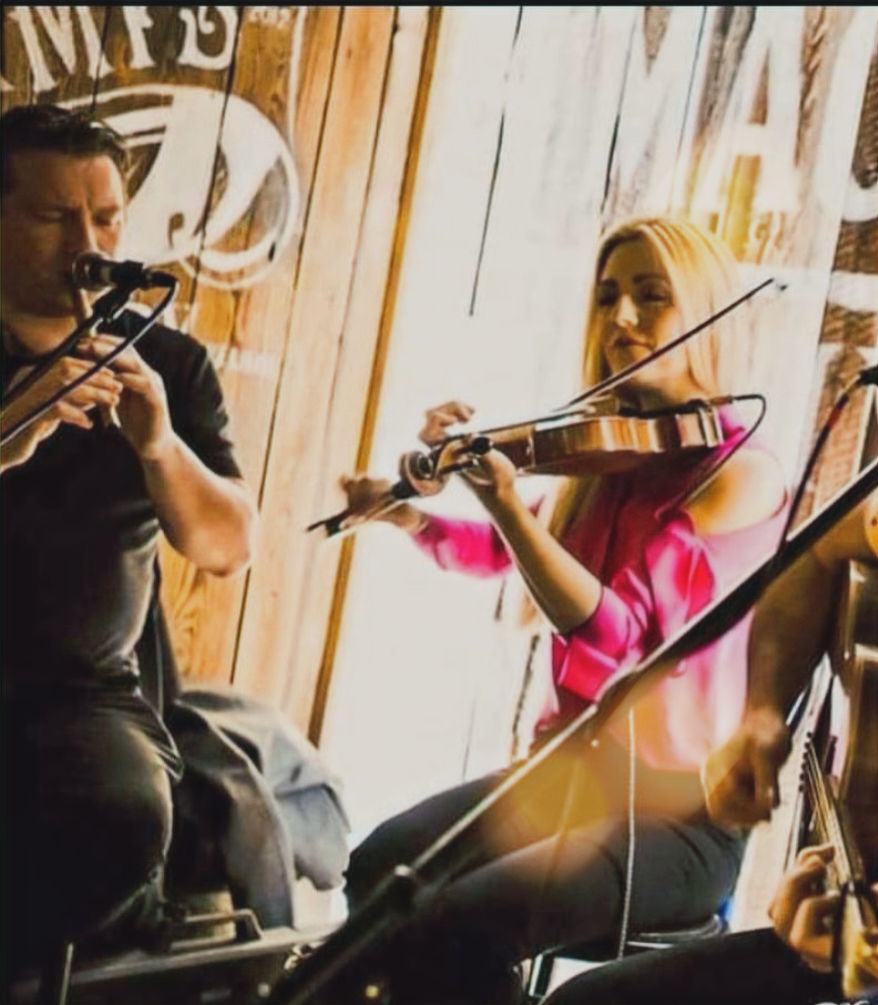
A solo harpist can create a sense of calm refinement as guests arrive. Fiddle and guitar can bring warmth and movement to a processional. Uilleann Pipes lend real depth, soul and occasion. The point is not simply to choose something recognisably Irish. It is to shape a sound that suits the room, the couple and the style of ceremony.
That is where many couples face an early decision. Some want a deeply traditional feel with Gaelic or instrumental pieces that speak directly to heritage. Others want contemporary songs reinterpreted through Irish instruments, so the experience feels elegant and personal rather than overtly traditional. Neither approach is more correct. The best choice depends on the balance you want between cultural expression, modern taste and the atmosphere of the venue itself - that last bit is very important!
The strongest ceremony music is curated in moments, not just songs. Rather than asking what your favourite piece is, it helps to think about where music sits within the structure of the ceremony.
The pre-ceremony period deserves more attention than it often gets. This is when guests are arriving, settling and taking in the setting. Music here should feel welcoming and polished, never intrusive. An instrumental ensemble works particularly well because it creates presence without asking for too much attention.
The processional is a different decision entirely. This is a focal moment and the music needs shape. Some couples prefer a traditional air that carries emotional weight and a clear Irish identity. Others choose a contemporary love song arranged for Irish ensemble, solo harp, or another solo instrument. In a luxury setting, subtlety often has more impact than volume. A beautifully played melody, given room to breathe, can feel far more powerful than a dramatic arrangement.
During the signing of the register or equivalent ceremonial pause, there is room for a broader choice of repertoire. This is often where couples can include one or two pieces that feel especially personal. If you want to reflect Irish heritage without making every part of the ceremony overtly traditional, this is often the ideal place to do it.
The recessional should lift the room. It does not need to be loud or showy, but it should feel like a release. A brighter instrumental set, an uplifting folk arrangement, or a confident contemporary piece played by live musicians can send guests into the next part of the day with genuine momentum.
Live musicians or a playlist?
For a premium wedding, this is usually a straightforward answer. Live music changes the entire experience.
A playlist can provide familiar songs, but it cannot read the room, respond to timing, or soften and stretch a phrase to match the pace of an entrance. Ceremony moments are rarely exact to the second. Someone pauses. A procession takes longer than expected. The celebrant adjusts the order slightly. Skilled live musicians can accommodate all of that with discretion.
There is also the question of presence. In a five-star venue, a historic house, a private estate or a cathedral and church setting, live performance contributes visually as well as sonically. Musicians become part of the aesthetic language of the ceremony. Their presentation, professionalism and ability to work seamlessly with planners and venue teams matter just as much as their repertoire.
That said, the choice of musicians matters enormously. Exceptional artists make everything feel composed and effortless. Average performers can make even refined music feel flat. For that reason, couples in the luxury market tend to benefit from a curated approach rather than a simple booking list.
Which instruments work best?
There is no single correct ensemble for Irish wedding ceremony music, but there are combinations that consistently work well in elegant settings.
The harp remains one of the most sought-after choices because it feels both timeless and elevated. It suits formal venues beautifully and carries a natural connection to Irish musical tradition without ever feeling heavy-handed. Fiddle brings warmth and lyricism. In the right hands, it can be deeply expressive and is especially effective when paired with guitar, piano or harp. It can lean traditional or contemporary depending on the repertoire.
Uilleann Pipes can be extraordinary, particularly for entrances or defining ceremonial moments. They create a sense of grandeur and place that is difficult to replicate.
For some ceremonies, a duo is ideal - refined, balanced and understated. For others, a trio or small ensemble creates greater texture. The right combination depends on the venue acoustics, the size of the guest list and how pronounced you want the Irish character of the music to be.
Traditional, contemporary, or somewhere between?
This is often where the most interesting conversations happen. Many couples love the idea of Irish music, but they do not want the ceremony to feel themed. Equally, others want a strong sense of cultural authenticity, but still want the day to feel modern and internationally polished.
A blended programme is often the most sophisticated answer. That might mean traditional instrumental music as guests arrive, a contemporary processional arranged for harp and strings, and a soulful Irish air during the signing. Or it may mean contemporary repertoire throughout, interpreted by Irish musicians in a way that gives the ceremony a subtle cultural signature.
This balance is particularly valuable for international weddings in Ireland. Guests may be visiting from abroad and hoping to experience something distinctive and local, yet the couple may still want an overall atmosphere that feels refined, current and personal. In that setting, thoughtful curation matters far more than simply choosing well-known Irish pieces.
The role of the venue
Music should always respond to the room. A church, a coastal marquee, a Georgian dining room and a contemporary hotel space all ask for something different.
In more reverberant spaces, sparse arrangements often work best. Harp, solo violin, or a carefully balanced duo can preserve clarity and elegance. In larger or more open settings, a slightly fuller ensemble may be needed to create presence without relying on amplification that feels too assertive.
Venue style also influences the visual side of the performance. In luxury weddings, cohesion matters. The musicians should look as considered as every other part of the ceremony design. Presentation, positioning and technical planning all contribute to whether the music feels naturally integrated or simply added in at the last minute.
Why curation matters more than a song list
Couples sometimes begin by collecting songs they love, which is understandable, but a list of favourites is not yet a ceremony music plan. The real work lies in arrangement, sequencing, instrumentation, timing and delivery.
A song that feels perfect in its original recorded form may not translate well into a live ceremony setting. Another that was not initially on your list may become far more moving when played by the right musician on the right instrument. This is why consultation-led planning tends to produce a more polished result.
A bespoke approach also protects the guest experience. The music should feel connected from arrival to vows to exit, with no awkward shifts in style or quality. That requires artistic judgement as much as musical talent. For discerning couples and planners, that level of coordination is often the difference between entertainment and true event design.
Authentic Music Agency approaches this in exactly that spirit - not as a generic entertainment booking, but as a curated part of the wider wedding experience.
A final note on getting it right
The most memorable Irish wedding ceremony music does not compete with the ceremony. It frames it beautifully, gives it emotional depth and leaves guests with the feeling that every detail belonged exactly where it was meant to be. If your celebration calls for Irish identity, let it be expressed with confidence, restraint and artistry; because that is where real elegance begins.


Comments